---
title: "Designing for the safe use of technology in learning: Strategies to boost engagement beyond screen time"
description: Safe use of technology in learning is possible through thoughtful design, to maximise student engagement & and creativity while minimising screen time.
image: https://blog.oppida.co/hubfs/Imported_Blog_Media/Supporting-the-safe-use-of-technology-for-personalised-learning.png
---
7/10/2019
# Designing for the safe use of technology in learning: Strategies to boost engagement beyond screen time
[ Oppida Team ](https://blog.oppida.co/author/oppida-team)
Share: [facebook-f icon ](http://www.facebook.com/share.php?u=https://blog.oppida.co/safe-use-of-technology-in-learning) [linkedin-in icon ](http://www.linkedin.com/shareArticle?mini=true&url=https://blog.oppida.co/safe-use-of-technology-in-learning) [Twitter icon ](https://twitter.com/intent/tweet?url=https://blog.oppida.co/safe-use-of-technology-in-learning) [pinterest-p icon ](http://pinterest.com/pin/create/link/?url=https://blog.oppida.co/safe-use-of-technology-in-learning) [envelope icon ](mailto:?body=https://blog.oppida.co/safe-use-of-technology-in-learning)
Designing for the safe use of technology in learning: Strategies to boost engagement beyond screen time
8:00
[Learning technology](https://blog.oppida.co/learning-with-technologies) has become a reality, and it’s an idea that instils a sense of panic in many of us—especially as educators and parents. We see the results of too much screen time in younger learners in particular. So how is it that we can strongly advocate for digital education as the best way forward? It seems like a paradox, but it may be that this new generation of learning technology will revolutionize learning like never before through EdTech, supporting safe use of technology in learning. We simply need to re-imagine everything we’ve thought about learning so far.
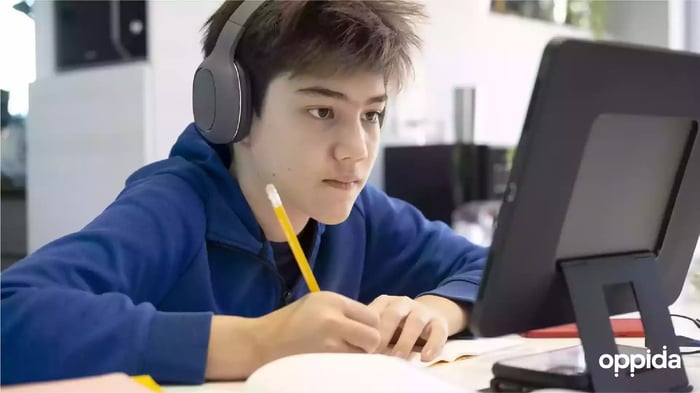
Screens surround us all in daily life, so now is the best time to understand how to use learning technology responsibly and maximize screen time usage. Maintaining a strong human element through thoughtful learning design with learning technology may be key to achieving this balance with [active student engagement](https://blog.oppida.co/effective-learning-design-strategies-for-learner-engagement) and positive self-regulation habits.
## **Personalised learning to accelerate productivity in EdTech**
We need to learn how to optimize learning and to live with tech as a whole. This seems like a massive undertaking, so where to even begin? The answer could lie in personalized learning, which can accelerate student learning productivity through thoughtful management and learning technology guidelines created by designers, teachers and parents.
Personalized learning is a standard in many curriculums globally, and learning technology can assist by allowing for student autonomy and consequently, a higher level of engagement. This is a huge challenge for teachers, especially with large class sizes.
A new generation of school models blend learning activities into productive steps of personalized learning experiences. For example, [New Tech Network](https://newtechnetwork.org/) implemented learning models using personalized learning based on accurate student diagnoses and individually paced content mastery. The organization additionally combined this aspect with project-based learning.
This combination creates long-term challenges that promote deeper-learning competencies like [critical thinking](https://blog.oppida.co/how-to-teach-critical-thinking-in-4-steps), working collaboratively, problem-solving, and taking responsibility for one’s own learning. The schools involved have experienced increased graduation rates and college enrollment.
When creating personalized learning, designers can consider certain aspects of learning outcomes and the [learner profile](https://blog.oppida.co/the-value-of-creating-learner-profiles) to optimize content screen time. What should young people know and be able to do? What kinds of experiences will help them develop important knowledge, skills, and personal qualities? It’s possible to support learners to develop a balance of online and [offline learning experiences](https://blog.oppida.co/7-quick-ways-to-teach-unplugging-in-schools).
Some aspects to consider with personalized learning:
- Engage students by giving them a voice and choice in how, when, and what they learn. Learning technology can facilitate this.
- Blend [learning activities](https://blog.oppida.co/how-to-create-engaging-online-and-at-home-learning-activities) into productive steps of personalized learning experiences.
Adults can help young people develop positive self-regulation habits, and understand why we behave in certain ways with learning technology.
## **How we can re-imagine learning**
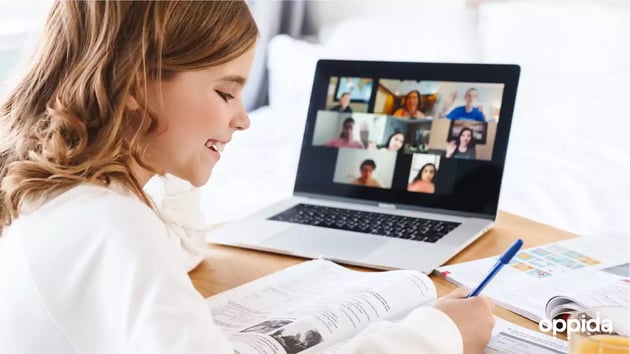
Learning technology has created powerful and diverse platforms to help re-imagine learning, which can result in designers maximizing both screen time and active student engagement.
Learning for the digital medium has endless possibilities. It allows for student-centered learning that is personalised and competency-based. This means learning can happen anytime, anywhere, and motivate students to take ownership of their learning. It’s not confined to the regular school hours and doesn’t have to take place in a regular classroom. Learning technology can help motivate and accelerate learning, and learning technology such as [AI](https://blog.oppida.co/how-will-chatgpt-affect-learning-design), [AR, and VR](https://blog.oppida.co/virtual-reality-and-augmented-reality-in-elearning) will likely play a role.
For more on the role of student-centred learning in education, read our article, [Teacher-centred learning: one size fits no one? ](https://www.oppida.co/insights/teacher-centred-learning/)
A 2015 study of 22,000 high-school students asked how they felt in school, and the top answers were tired, stressed, bored. Learning stalls out when students are not actively engaged. Students need opportunities to take on big issues, collaborate with diverse teams, and innovate in ways that allow them to contribute to their communities.
Instead of focusing on grades and scores, young learners should be supported in ways that encourage them to create and invent, launch social movements, and even contribute to solving global problems. Teachers and designers can encourage innovation with available learning technology and platforms.
How can we change these feelings and attitudes around learning? Good teaching matters, but even more important, is giving students autonomy over their own learning. Ideas around education need to shift to value learning over seat time, growth over proficiency, and production over consumption.

## **Reclaiming mental space**
Part of maintaining a human element in [learning design](https://oppida.co) includes having guidelines set by teachers, designers and parents, which are just as crucial in supporting the safe use of learning technology. We need to teach positive self-regulation habits to young learners.
By doing this we can reclaim ‘mental space.’ We need to become more intentional with learning technology use and reduce the amount we use it. Studies support users feeling more creative and able to generate new ideas, less stressed and better able to achieve their goals when this happens. In short, boredom can be good! For students, more tech downtime can mean higher levels of active engagement.
We know the increased use of technology has changed us. One example is that our attention shifts more quickly. Studies quantify the risks of social media and cellphone usage, with one finding students were only able to stay focused for 6 minutes because of these distractions.
Additionally, the multitasking and constantly switching tasks that is a result of being surrounded by technology significantly deletes brain glucose. Ongoing multitasking pushes the brain to the point where we can’t make decisions anymore and completely lose productivity.
Science supports activating the ‘default mode’ of the brain to open it up for creativity and problem-solving by turning off technology. Reclaiming this mental space matters, and unplugging and allowing for daydreaming is a crucial step. It’s reclaiming a child-like sense of curiosity to stop and wonder about and connect with the world around us.
Here are some ways to decrease screen time and reclaim mental space:
- Limit your multitasking
- Tidy up phone apps, delete a heavily used app for one day each week
- Be selective in what information you consume
- Discuss topics with others each day for 7 minutes, in person or by phone
- Set information goals for each week: creativity, news, connecting with family/friends, or learning a language
Managing information has become such a challenge, that [Informagical](https://project.wnyc.org/infomagical/) was founded for this very reason. They help people manage information overload.
## **Starting today**
The responsibility lies with teachers and designers to [optimize student learning](https://oppida.co/online-course-assessment) within this digital world. We need to maximize screen time with EdTech, give students autonomy, while also encouraging them to take time away from learning technology.
This vision calls for intentional learning design for learning technology by designers and teachers that focuses on personalized learning while decreasing the stresses associated with high screen use. We need to be thoughtful about the [future of education](https://blog.oppida.co/the-future-of-education-worldwide-trends-and-predictions-for-the-edtech-revolution) to encourage active engagement and creativity in learners instead. Learning technology gives us a way to hand learning back to the students, so let’s welcome this new face of education!

---
### References
- *Make information overload disappear*. (n.d.). Retrieved from [https://project.wnyc.org/infomagical/](https://project.wnyc.org/infomagical/)
- Lee, L. (2019, September). *Why boredom often beats screen time*. Retrieved from [https://www.edutopia.org/article/why-boredom-often-beats-screen-time](https://www.edutopia.org/article/why-boredom-often-beats-screen-time)
- Noonoo, S. (2019, June). *Why Science says boredom is good for the brain*. Retrieved from: [https://www.edsurge.com/news/2019-06-25-why-science-says-boredom-is-good-for-the-brain](https://www.edsurge.com/news/2019-06-25-why-science-says-boredom-is-good-for-the-brain)
- Vander Ark, T. (2018). *The problem is wasted time, not screen time*. Retrieved from [https://www.educationnext.org/problem-is-wasted-time-not-screen-time-forum-scoggin-vander-ark/](https://www.educationnext.org/problem-is-wasted-time-not-screen-time-forum-scoggin-vander-ark/)
[Edtech](https://blog.oppida.co/tag/edtech)
## Related posts
[ ](https://blog.oppida.co/adult-learning-principles)
[Educational design principles](https://blog.oppida.co/tag/educational-design-principles)
## [5 adult learning principles that boost engagement (full guide to smarter course design)](https://blog.oppida.co/adult-learning-principles)
[Oppida Team](https://blog.oppida.co/author/oppida-team)
30/05/2024
In the realm of adult education, the focus isn't merely on delivering content but on engaging...
[ Read more ](https://blog.oppida.co/adult-learning-principles)
[ ](https://blog.oppida.co/just-in-time-learning)
[Education trends and insights](https://blog.oppida.co/tag/education-trends-and-insights), [Online education delivery](https://blog.oppida.co/tag/online-education-delivery), [Education models](https://blog.oppida.co/tag/education-models)
## [Real-time results with just-in-time learning (full guide to modern workplace training)](https://blog.oppida.co/just-in-time-learning)
[Bianca Raby](https://blog.oppida.co/author/bianca-raby)
5/08/2019
Time has always been one of life’s more precious commodities. We’re paid for our time in a job we...
[ Read more ](https://blog.oppida.co/just-in-time-learning)
[ ](https://blog.oppida.co/short-courses-vs-microcredentials)
[Educational design terminology](https://blog.oppida.co/tag/educational-design-terminology)
## [Short courses vs microcredentials: The mistake that’s confusing the entire education sector](https://blog.oppida.co/short-courses-vs-microcredentials)
[Bianca Raby](https://blog.oppida.co/author/bianca-raby)
10/06/2021
In this opinion piece, Oppida CEO Bianca Raby explains why it matters to know that short courses vs...
[ Read more ](https://blog.oppida.co/short-courses-vs-microcredentials)

```json
{
"@context" : "https://schema.org",
"@id" : "https://oppida.co/#organization",
"@type" : "Organization",
"address" : {
"@type" : "PostalAddress",
"addressCountry" : "AU",
"addressLocality" : "Adelaide",
"addressRegion" : "SA",
"postalCode" : "5000",
"streetAddress" : "Level 2, 70 Hindmarsh Square"
},
"areaServed" : {
"@type" : "Place",
"name" : "Global"
},
"contactPoint" : [ {
"@type" : "ContactPoint",
"areaServed" : "Global",
"availableLanguage" : [ "en" ],
"contactType" : "customer support",
"email" : "hello@oppida.co",
"url" : "https://oppida.co/contact"
} ],
"description" : "Oppida partners with entrusted leaders of learning to design structured, institution-grade capability that strengthens authority, builds human capability, and delivers meaningful real-world impact. Oppida works across strategic program design, course development, rich media production, and AI literacy for everyone.",
"founder" : {
"@id" : "https://oppida.co/#founder",
"@type" : "Person",
"name" : "Bianca Raby",
"sameAs" : [ "https://www.linkedin.com/in/biancaraby/", "https://www.youtube.com/@biancaraby" ],
"url" : "https://biancaraby.com/"
},
"hasOfferCatalog" : {
"@type" : "OfferCatalog",
"itemListElement" : [ {
"@type" : "Offer",
"itemOffered" : {
"@type" : "Service",
"description" : "A focused strategy engagement to clarify audience, purpose, outcomes, delivery direction, risks, and curriculum structure before development begins.",
"name" : "Strategic program design"
}
}, {
"@type" : "Offer",
"itemOffered" : {
"@type" : "Service",
"description" : "Online and blended course development for organisations that need rigorous, well-structured learning aligned to standards, capability outcomes, and long-term delivery.",
"name" : "Course development"
}
}, {
"@type" : "Offer",
"itemOffered" : {
"@type" : "Service",
"description" : "Purposeful video, animation, and interactive media designed to deepen understanding and strengthen learning experiences.",
"name" : "Rich media production"
}
}, {
"@type" : "Offer",
"itemOffered" : {
"@type" : "Service",
"description" : "LMS-ready AI literacy modules that build shared understanding, judgement, and responsible practice across organisations operating in regulated and complex environments.",
"name" : "AI literacy for everyone"
}
} ],
"name" : "Oppida services"
},
"knowsAbout" : [ "learning design", "strategic program design", "course development", "online learning", "blended learning", "instructional design", "rich media production", "video production for learning", "learning management systems", "EdTech ecosystems", "AI literacy", "AI capability development", "adult learning", "higher education", "workforce capability", "institutional learning strategy" ],
"logo" : {
"@id" : "https://oppida.co/#logo",
"@type" : "ImageObject",
"url" : "https://qtrypzzcjebvfcihiynt.supabase.co/storage/v1/object/public/base44-prod/public/9e523cb92_Logo_DarkPurple.png"
},
"name" : "Oppida",
"sameAs" : [ "https://www.linkedin.com/company/oppida/", "https://www.youtube.com/@oppidaco" ],
"slogan" : "Partnering with entrusted leaders of learning to elevate their impact",
"url" : "https://oppida.co/"
}
```
```json
{
"@context" : "https://schema.org",
"@id" : "https://oppida.co/#website",
"@type" : "WebSite",
"description" : "Oppida partners with entrusted leaders of learning to build benchmark-level capability through strategic program design, course development, rich media production, and AI literacy.",
"inLanguage" : "en",
"keywords" : [ "strategic program design", "course development", "learning design", "instructional design", "online course development", "blended learning", "rich media production", "video production for learning", "AI literacy", "AI capability", "LMS-ready learning", "adult learning", "higher education", "government capability", "regulated learning environments" ],
"name" : "Oppida",
"potentialAction" : {
"@type" : "SearchAction",
"query-input" : "required name=search_term_string",
"target" : "https://oppida.co/search?query={search_term_string}"
},
"publisher" : {
"@id" : "https://oppida.co/#organization"
},
"url" : "https://oppida.co/"
}
```
```json
{
"@context" : "https://schema.org",
"@id" : "https://blog.oppida.co/#blog",
"@type" : "Blog",
"description" : "Insights on learning design, course development, strategic capability building, rich media, AI literacy, and thoughtful practice in complex learning environments.",
"inLanguage" : "en",
"isPartOf" : {
"@id" : "https://oppida.co/#website"
},
"name" : "Oppida blog",
"publisher" : {
"@id" : "https://oppida.co/#organization"
},
"url" : "https://blog.oppida.co/"
}
```
```json
{
"@context" : "https://schema.org",
"@id" : "https://blog.oppida.co/safe-use-of-technology-in-learning#webpage",
"@type" : "WebPage",
"about" : {
"@id" : "https://oppida.co/#organization"
},
"breadcrumb" : {
"@id" : "https://blog.oppida.co/safe-use-of-technology-in-learning#breadcrumbs"
},
"description" : "Safe use of technology in learning is possible through thoughtful design, to maximise student engagement & and creativity while minimising screen time.",
"inLanguage" : "en",
"isPartOf" : {
"@id" : "https://blog.oppida.co/#blog"
},
"mainEntity" : {
"@id" : "https://blog.oppida.co/safe-use-of-technology-in-learning#article"
},
"name" : "Designing for the safe use of technology in learning: Strategies to boost engagement beyond screen time",
"primaryImageOfPage" : {
"@id" : "https://blog.oppida.co/safe-use-of-technology-in-learning#primaryimage"
},
"publisher" : {
"@id" : "https://oppida.co/#organization"
},
"url" : "https://blog.oppida.co/safe-use-of-technology-in-learning"
}
```
```json
{
"@context" : "https://schema.org",
"@id" : "https://blog.oppida.co/safe-use-of-technology-in-learning#primaryimage",
"@type" : "ImageObject",
"url" : "https://22642683.fs1.hubspotusercontent-na1.net/hubfs/22642683/Imported_Blog_Media/Supporting-the-safe-use-of-technology-for-personalised-learning.png"
}
```
```json
{
"@context" : "https://schema.org",
"@id" : "https://blog.oppida.co/safe-use-of-technology-in-learning#breadcrumbs",
"@type" : "BreadcrumbList",
"itemListElement" : [ {
"@type" : "ListItem",
"item" : "https://oppida.co/",
"name" : "Home",
"position" : 1
}, {
"@type" : "ListItem",
"item" : "https://blog.oppida.co/",
"name" : "Blog",
"position" : 2
}, {
"@type" : "ListItem",
"item" : "https://blog.oppida.co/safe-use-of-technology-in-learning",
"name" : "Designing for the safe use of technology in learning: Strategies to boost engagement beyond screen time",
"position" : 3
} ]
}
```
```json
{
"@context" : "https://schema.org",
"@id" : "https://blog.oppida.co/safe-use-of-technology-in-learning#article",
"@type" : "BlogPosting",
"articleSection" : [ "Edtech" ],
"author" : {
"@id" : "https://blog.oppida.co/author/oppida-team#author",
"@type" : "Person",
"name" : "Oppida Team",
"url" : "https://blog.oppida.co/author/oppida-team",
"worksFor" : {
"@id" : "https://oppida.co/#organization"
}
},
"dateModified" : "2026-02-18T04:23:00+0000",
"datePublished" : "2019-10-07T07:33:00+0000",
"description" : "Safe use of technology in learning is possible through thoughtful design, to maximise student engagement & and creativity while minimising screen time.",
"headline" : "Designing for the safe use of technology in learning: Strategies to boost engagement beyond screen time",
"image" : {
"@id" : "https://blog.oppida.co/safe-use-of-technology-in-learning#primaryimage"
},
"inLanguage" : "en",
"isAccessibleForFree" : true,
"isPartOf" : {
"@id" : "https://blog.oppida.co/#blog"
},
"keywords" : [ "Edtech" ],
"mainEntityOfPage" : {
"@id" : "https://blog.oppida.co/safe-use-of-technology-in-learning#webpage"
},
"publisher" : {
"@id" : "https://oppida.co/#organization"
},
"url" : "https://blog.oppida.co/safe-use-of-technology-in-learning",
"wordCount" : 1281
}
```
```json
{
"@context" : "https://schema.org",
"@id" : "https://oppida.co/author/oppida-team",
"@type" : "Person",
"image" : {
"@id" : "https://oppida.co/author/oppida-team#image",
"@type" : "ImageObject",
"url" : "https://oppida.co/hubfs/default-avatar.png"
},
"name" : "Oppida Team",
"url" : "https://oppida.co/author/oppida-team",
"worksFor" : {
"@id" : "https://oppida.co/#organization"
}
}
```
```json
{
"@context" : "https://schema.org",
"@id" : "https://blog.oppida.co/safe-use-of-technology-in-learning#breadcrumb",
"@type" : "BreadcrumbList",
"itemListElement" : [ {
"@type" : "ListItem",
"item" : "https://oppida.co/",
"name" : "Home",
"position" : 1
}, {
"@type" : "ListItem",
"item" : "https://blog.oppida.co/",
"name" : "Blog",
"position" : 2
}, {
"@type" : "ListItem",
"name" : "Designing for the safe use of technology in learning: Strategies to boost engagement beyond screen time",
"position" : 3
} ]
}
```
```json
{
"@context" : "https://schema.org",
"@id" : "https://blog.oppida.co/safe-use-of-technology-in-learning#blogpost",
"@type" : "BlogPosting",
"about" : [ {
"@type" : "Thing",
"description" : "Instructional design (ID), also known as instructional systems design (ISD), is the practice of systematically designing, developing and delivering instructional materials and experiences.",
"name" : "Instructional Design",
"sameAs" : "https://en.wikipedia.org/wiki/Instructional_design"
}, {
"@type" : "Thing",
"description" : "Artificial Intelligence in education refers to the use of AI technologies to enhance teaching and learning.",
"name" : "AI",
"sameAs" : "https://en.wikipedia.org/wiki/Artificial_intelligence_in_education"
} ],
"articleBody" : "Learning technology has become a reality, and it’s an idea that instils a sense of panic in many of us—especially as educators and parents. We see the results of too much screen time in younger learners in particular. So how is it that we can strongly advocate for digital education as the best way forward? It seems like a paradox, but it may be that this new generation of learning technology will revolutionize learning like never before through EdTech, supporting safe use of technology in learning. We simply need to re-imagine everything we’ve thought about learning so far.
\n\n
\nScreens surround us all in daily life, so now is the best time to understand how to use learning technology responsibly and maximize screen time usage. Maintaining a strong human element through thoughtful learning design with learning technology may be key to achieving this balance with active student engagement and positive self-regulation habits.
\nPersonalised learning to accelerate productivity in EdTech
\nWe need to learn how to optimize learning and to live with tech as a whole. This seems like a massive undertaking, so where to even begin? The answer could lie in personalized learning, which can accelerate student learning productivity through thoughtful management and learning technology guidelines created by designers, teachers and parents.
\nPersonalized learning is a standard in many curriculums globally, and learning technology can assist by allowing for student autonomy and consequently, a higher level of engagement. This is a huge challenge for teachers, especially with large class sizes.
\nA new generation of school models blend learning activities into productive steps of personalized learning experiences. For example, New Tech Network implemented learning models using personalized learning based on accurate student diagnoses and individually paced content mastery. The organization additionally combined this aspect with project-based learning.
\nThis combination creates long-term challenges that promote deeper-learning competencies like critical thinking, working collaboratively, problem-solving, and taking responsibility for one’s own learning. The schools involved have experienced increased graduation rates and college enrollment.
\nWhen creating personalized learning, designers can consider certain aspects of learning outcomes and the learner profile to optimize content screen time. What should young people know and be able to do? What kinds of experiences will help them develop important knowledge, skills, and personal qualities? It’s possible to support learners to develop a balance of online and offline learning experiences.
\nSome aspects to consider with personalized learning:
\n\n- Engage students by giving them a voice and choice in how, when, and what they learn. Learning technology can facilitate this.
\n- Blend learning activities into productive steps of personalized learning experiences.
\n
\nAdults can help young people develop positive self-regulation habits, and understand why we behave in certain ways with learning technology.
\n
\nHow we can re-imagine learning
\nLearning technology has created powerful and diverse platforms to help re-imagine learning, which can result in designers maximizing both screen time and active student engagement.
\nLearning for the digital medium has endless possibilities. It allows for student-centered learning that is personalised and competency-based. This means learning can happen anytime, anywhere, and motivate students to take ownership of their learning. It’s not confined to the regular school hours and doesn’t have to take place in a regular classroom. Learning technology can help motivate and accelerate learning, and learning technology such as AI, AR, and VR will likely play a role.
\nFor more on the role of student-centred learning in education, read our article, Teacher-centred learning: one size fits no one?
\nA 2015 study of 22,000 high-school students asked how they felt in school, and the top answers were tired, stressed, bored. Learning stalls out when students are not actively engaged. Students need opportunities to take on big issues, collaborate with diverse teams, and innovate in ways that allow them to contribute to their communities.
\nInstead of focusing on grades and scores, young learners should be supported in ways that encourage them to create and invent, launch social movements, and even contribute to solving global problems. Teachers and designers can encourage innovation with available learning technology and platforms.
\nHow can we change these feelings and attitudes around learning? Good teaching matters, but even more important, is giving students autonomy over their own learning. Ideas around education need to shift to value learning over seat time, growth over proficiency, and production over consumption.
\n
\nReclaiming mental space
\nPart of maintaining a human element in learning design includes having guidelines set by teachers, designers and parents, which are just as crucial in supporting the safe use of learning technology. We need to teach positive self-regulation habits to young learners.
\nBy doing this we can reclaim ‘mental space.’ We need to become more intentional with learning technology use and reduce the amount we use it. Studies support users feeling more creative and able to generate new ideas, less stressed and better able to achieve their goals when this happens. In short, boredom can be good! For students, more tech downtime can mean higher levels of active engagement.
\nWe know the increased use of technology has changed us. One example is that our attention shifts more quickly. Studies quantify the risks of social media and cellphone usage, with one finding students were only able to stay focused for 6 minutes because of these distractions.
\nAdditionally, the multitasking and constantly switching tasks that is a result of being surrounded by technology significantly deletes brain glucose. Ongoing multitasking pushes the brain to the point where we can’t make decisions anymore and completely lose productivity.
\nScience supports activating the ‘default mode’ of the brain to open it up for creativity and problem-solving by turning off technology. Reclaiming this mental space matters, and unplugging and allowing for daydreaming is a crucial step. It’s reclaiming a child-like sense of curiosity to stop and wonder about and connect with the world around us.
\nHere are some ways to decrease screen time and reclaim mental space:
\n\n- Limit your multitasking
\n- Tidy up phone apps, delete a heavily used app for one day each week
\n- Be selective in what information you consume
\n- Discuss topics with others each day for 7 minutes, in person or by phone
\n- Set information goals for each week: creativity, news, connecting with family/friends, or learning a language
\n
\nManaging information has become such a challenge, that Informagical was founded for this very reason. They help people manage information overload.
\n
\nStarting today
\nThe responsibility lies with teachers and designers to optimize student learning within this digital world. We need to maximize screen time with EdTech, give students autonomy, while also encouraging them to take time away from learning technology.
\nThis vision calls for intentional learning design for learning technology by designers and teachers that focuses on personalized learning while decreasing the stresses associated with high screen use. We need to be thoughtful about the future of education to encourage active engagement and creativity in learners instead. Learning technology gives us a way to hand learning back to the students, so let’s welcome this new face of education!
\n
\n
\nReferences
\n",
"audience" : {
"@type" : "Audience",
"audienceType" : [ "Educational Leaders", "Instructional Designers", "Higher Education", "K-12 Teachers" ]
},
"author" : {
"@id" : "https://oppida.co/author/oppida-team"
},
"citation" : [ {
"@type" : "CreativeWork",
"name" : "New Tech Network",
"url" : "https://newtechnetwork.org/"
}, {
"@type" : "CreativeWork",
"name" : "Informagical",
"url" : "https://project.wnyc.org/infomagical/"
}, {
"@type" : "CreativeWork",
"name" : "edutopia.org",
"url" : "https://www.edutopia.org/article/why-boredom-often-beats-screen-time"
}, {
"@type" : "CreativeWork",
"name" : "edsurge.com",
"url" : "https://www.edsurge.com/news/2019-06-25-why-science-says-boredom-is-good-for-the-brain"
}, {
"@type" : "CreativeWork",
"name" : "educationnext.org",
"url" : "https://www.educationnext.org/problem-is-wasted-time-not-screen-time-forum-scoggin-vander-ark/"
} ],
"dateModified" : "2026-02-18T04:12:40.506Z",
"datePublished" : "2019-10-07T07:33:00Z",
"description" : "Designing for the safe use of technology in learning: Strategies to boost engagement beyond screen time",
"headline" : "Designing for the safe use of technology in learning: Strategies to boost engagement beyond screen time",
"image" : {
"@id" : "https://blog.oppida.co/safe-use-of-technology-in-learning#primaryimage",
"@type" : "ImageObject",
"height" : 630,
"url" : "https://22642683.fs1.hubspotusercontent-na1.net/hubfs/22642683/Imported_Blog_Media/Supporting-the-safe-use-of-technology-for-personalised-learning.png",
"width" : 1200
},
"keywords" : "",
"mainEntityOfPage" : {
"@id" : "https://blog.oppida.co/safe-use-of-technology-in-learning#webpage"
},
"mentions" : [ {
"@type" : "Thing",
"description" : "Instructional design (ID), also known as instructional systems design (ISD), is the practice of systematically designing, developing and delivering instructional materials and experiences.",
"name" : "Instructional Design",
"sameAs" : "https://en.wikipedia.org/wiki/Instructional_design"
}, {
"@type" : "Thing",
"description" : "Artificial Intelligence in education refers to the use of AI technologies to enhance teaching and learning.",
"name" : "AI",
"sameAs" : "https://en.wikipedia.org/wiki/Artificial_intelligence_in_education"
} ],
"publisher" : {
"@id" : "https://oppida.co/#organization"
},
"wordCount" : 1207
}
```
```json
{
"@context" : "https://schema.org",
"@id" : "https://blog.oppida.co/safe-use-of-technology-in-learning#faq",
"@type" : "FAQPage",
"isPartOf" : {
"@id" : "https://blog.oppida.co/safe-use-of-technology-in-learning#webpage"
},
"mainEntity" : [ {
"@type" : "Question",
"acceptedAnswer" : {
"@type" : "Answer",
"text" : "Learning technology has created powerful and diverse platforms to help re-imagine learning, which can result in designers maximizing both screen time and active student engagement. Learning for the digital medium has endless possibilities. It allows for student-centered learning that is personalised and competency-based. This means learning can happen anytime, anywhere, and motivate students to take ownership of their learning. It’s not confined to the regular school hours and doesn’t have to take place in a regular classroom. Learning technology can help motivate and accelerate learning, and learning technology such as AI , AR, and VR will likely play a role. For more on the role of student-centred learning in education, read our article, Teacher-centred learning: one size fits no one? A 2015 study of 22,000 high-school students asked how they felt in school, and the top answers were tired, stressed, bored. Learning stalls out when students are not actively engaged. Students need opportunities to take on big issues, collaborate with diverse teams, and innovate in ways that allow them to contribute to their communities. Instead of focusing on grades and scores, young learners should be supported in ways that encourage them to create and invent, launch social movements, and even contribute to solving global problems. Teachers and designers can encourage innovation with available learning technology and platforms. How can we change these feelings and attitudes around learning? Good teaching matters, but even more important, is giving students autonomy over their own learning. Ideas around education need to shift to value learning over seat time, growth over proficiency, and production over consumption."
},
"name" : "How we can re-imagine learning"
} ],
"publisher" : {
"@id" : "https://oppida.co/#organization"
}
}
```